Introduction
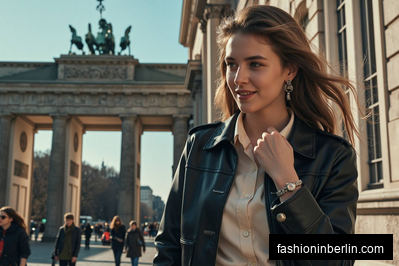
Berlin's street style is a vibrant tapestry woven from the city's rich history, its cultural diversity, and an unapologetic attitude towards self-expression. This unique fashion scene is not just about clothing; it's a visual language that communicates the city's rebellious spirit, its embrace of the avant-garde, and a deep-seated preference for the unconventional. In this journey through Berlin's street style, we decode the elements that make it stand out on the global fashion map, exploring the influences, key characteristics, and the individuals who shape this dynamic aesthetic.
Unlike other fashion capitals, where trends may be dictated by luxury fashion houses, Berlin's street style is driven by individuality and a DIY ethos. It's a style that refuses to be pigeonholed, blending vintage finds with high fashion, streetwear with bespoke pieces, in a way that is both eclectic and highly personal. This diversity is reflective of Berlin itself - a city known for its openness, creativity, and resistance to conformity. To understand Berlin's street style is to understand the heart and soul of the city.
Historical Influences and Cultural Significance
Berlin's street style is deeply rooted in the city's tumultuous history. From the roaring '20s when Berlin was a hotbed of artistic innovation and liberal attitudes, through the dark periods of war and division, to the fall of the Berlin Wall and the city's rebirth as a cultural melting pot, every epoch has left its mark on Berlin's fashion. The post-Wall era, in particular, saw a surge in creativity and freedom of expression that is still evident in the city's street style today. Spaces that were once abandoned became hubs of artistic expression, and this spirit of transformation and resilience is a hallmark of Berlin's fashion identity.
Moreover, Berlin's position as a cultural crossroads has infused its street style with global influences. The city's large expat community and its status as a haven for creatives from all over the world mean that Berlin's fashion is continually evolving, absorbing, and reinterpreting elements from various cultures. This blend of influences creates a dynamic, ever-changing aesthetic that is both international and distinctly Berlin.
Key Characteristics of Berlin's Street Style
One of the defining traits of Berlin's street style is its emphasis on individuality and authenticity. Berliners dress for themselves, with a focus on comfort, functionality, and self-expression. There is a palpable sense of freedom in the way people dress, unbounded by fashion rules or the latest trends. This results in outfits that are unique, personal, and sometimes, delightfully eccentric.
Sustainability is another cornerstone of Berlin's fashion ethos. Second-hand and vintage clothing are not just popular choices; they are a statement against the fast-fashion industry, reflecting the city's overall commitment to sustainability and ethical consumption. This conscientious approach to fashion is part of a broader lifestyle that values quality over quantity, and history over novelty.
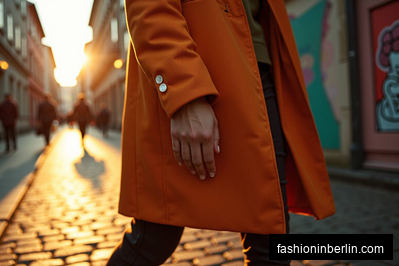
Furthermore, Berlin's street style is characterized by a boldness in mixing and matching different styles and eras. It's not uncommon to see someone pairing a vintage 80s leather jacket with contemporary high-end sneakers, or a classic tailored coat with thrifted graphic tees. This eclectic mix-and-match approach is complemented by an adventurous use of color and patterns, challenging conventional fashion norms and celebrating diversity and creativity.
Influential Figures and Movements
Berlin's street style has been shaped by numerous influential figures and movements throughout the years. Iconic clubs like Berghain have not only defined the city's nightlife but have also influenced its fashion, promoting a raw, industrial aesthetic that has become synonymous with Berlin's underground scene. This club culture, with its emphasis on individuality and nonconformity, has had a profound impact on Berlin's overall fashion landscape.
Furthermore, the city's fashion scene is populated by a host of designers, artists, and creatives who draw inspiration from Berlin's vibrant culture and history. From high-profile fashion designers who showcase their work at Berlin Fashion Week to local artisans selling handmade goods at markets like Mauerpark, these individuals play a crucial role in defining and evolving the city's aesthetic. Their work is a testament to Berlin's innovative spirit and its capacity to continually reinvent itself.
Additionally, social media and fashion blogs have become significant platforms for Berlin's fashion influencers, offering a window into the city's style and inspiring a global audience. These digital spaces allow for a broader conversation about Berlin's fashion, extending its influence beyond the city's borders and inviting a global community to engage with and contribute to its evolving style.
Practical Application: Embracing Berlin's Street Style
Embracing Berlin's street style is less about adopting specific trends and more about cultivating an attitude towards fashion and self-expression. For those looking to incorporate elements of Berlin's style into their wardrobe, the key is to prioritize authenticity and personal expression over following the latest trends. Start by exploring vintage and second-hand shops for unique pieces that resonate with your personal aesthetic. Mixing these finds with contemporary items can create a look that is both timeless and individual.
Additionally, consider the sustainability of your fashion choices. Opting for high-quality, ethically produced items not only aligns with Berlin's fashion ethos but also promotes a more conscious and responsible approach to consumption. This can be a transformative practice, encouraging a deeper connection with the clothes we wear and the stories they tell.
Finally, don't be afraid to experiment with your style. Berlin's fashion scene is celebrated for its boldness and creativity, and there's freedom in exploring different aesthetics and challenging traditional fashion norms. Whether it's through an adventurous use of color, an eclectic mix of patterns, or the incorporation of vintage and modern elements, the essence of Berlin's street style is in its celebration of individuality and diversity.
Conclusion
Berlin's street style is a reflection of the city itself: diverse, dynamic, and unapologetically individual. It's a fashion scene that defies easy categorization, rooted in a history of upheaval and rebirth, and driven by a spirit of creativity and resistance to conformity. Through its eclectic mix of influences, commitment to sustainability, and celebration of personal expression, Berlin's street style offers a compelling alternative to the homogeneity of global fashion trends.
For those looking to dive deeper into this vibrant fashion landscape, the journey is as much about self-discovery as it is about style. It's an invitation to explore, experiment, and ultimately, to express oneself in a way that is authentic and unbounded by convention. In the end, Berlin's street style teaches us that fashion is not just about what we wear, but how we choose to present ourselves to the world, and the stories we tell through our sartorial choices.